
Search
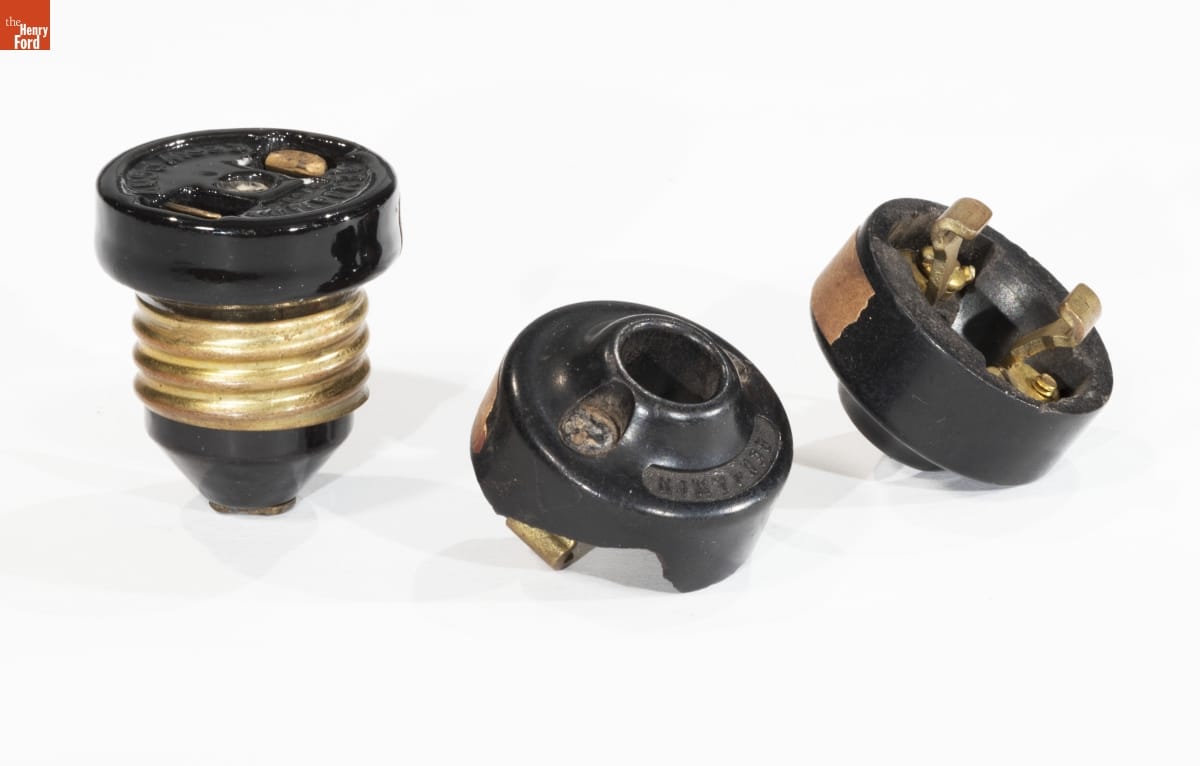
- We Hand You a Hint: The Hemco Twin-Lite is Made of Condensite, circa 1915 - Chemically synthetic plastics were developed in the early 1900s to replace shellac and hard rubber -- naturally derived substances increasingly in demand for various industrial applications. The Condensite Company of America formed in 1910 to sell a new material first developed at Thomas Edison's West Orange laboratory for phonograph records. Durable and nonconductive, Condensite was well suited for electrical products.

- circa 1915
- Collections - Artifact
We Hand You a Hint: The Hemco Twin-Lite is Made of Condensite, circa 1915
Chemically synthetic plastics were developed in the early 1900s to replace shellac and hard rubber -- naturally derived substances increasingly in demand for various industrial applications. The Condensite Company of America formed in 1910 to sell a new material first developed at Thomas Edison's West Orange laboratory for phonograph records. Durable and nonconductive, Condensite was well suited for electrical products.
- Thomson-Houston Extension Plug, 1883-1892 -

- 1883-1892
- Collections - Artifact
Thomson-Houston Extension Plug, 1883-1892
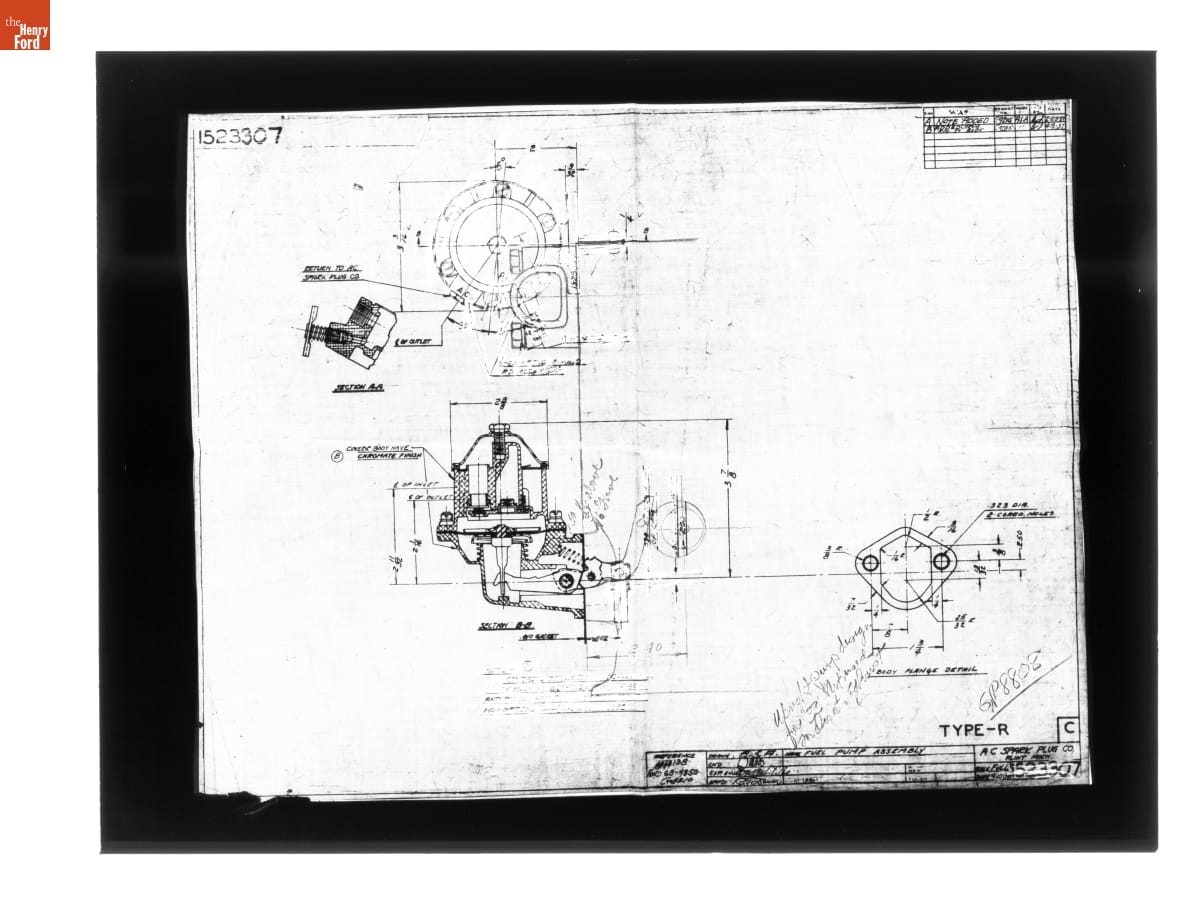
- Drawing, "Fuel PUmp Assembly," Ford GP, April 9, 1937 - The Ford Motor Company created over a million parts drawings from 1903 to 1957. Many of these drawings specify engineering requirements for the components of Ford-made vehicles--including automobiles, trucks, tractors, military vehicles and Tri-motor airplanes. Others document assembly components, stages of casting and forging, or experimental designs. Beginning in the 1940s, Ford transferred the drawings to microfilm.
- April 09, 1937
- Collections - Artifact
Drawing, "Fuel PUmp Assembly," Ford GP, April 9, 1937
The Ford Motor Company created over a million parts drawings from 1903 to 1957. Many of these drawings specify engineering requirements for the components of Ford-made vehicles--including automobiles, trucks, tractors, military vehicles and Tri-motor airplanes. Others document assembly components, stages of casting and forging, or experimental designs. Beginning in the 1940s, Ford transferred the drawings to microfilm.
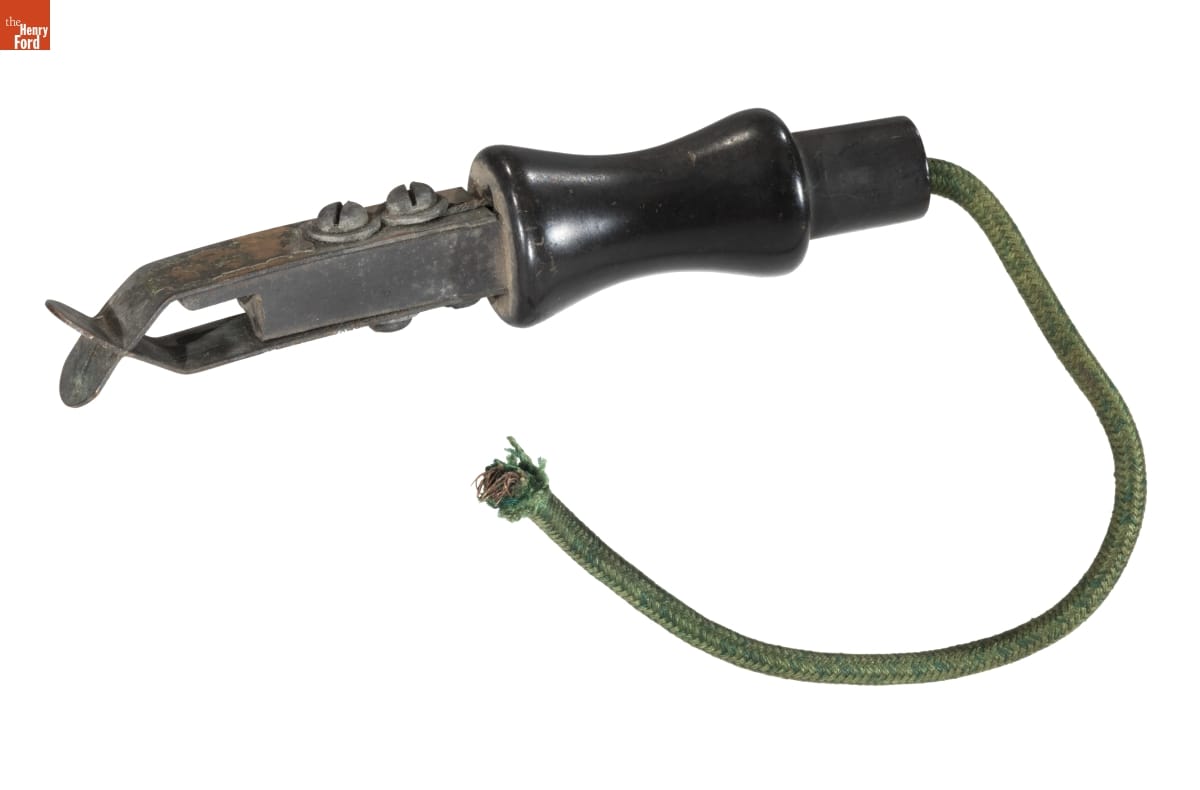
- Switchboard Plug, 1894 -
- 1894
- Collections - Artifact
Switchboard Plug, 1894
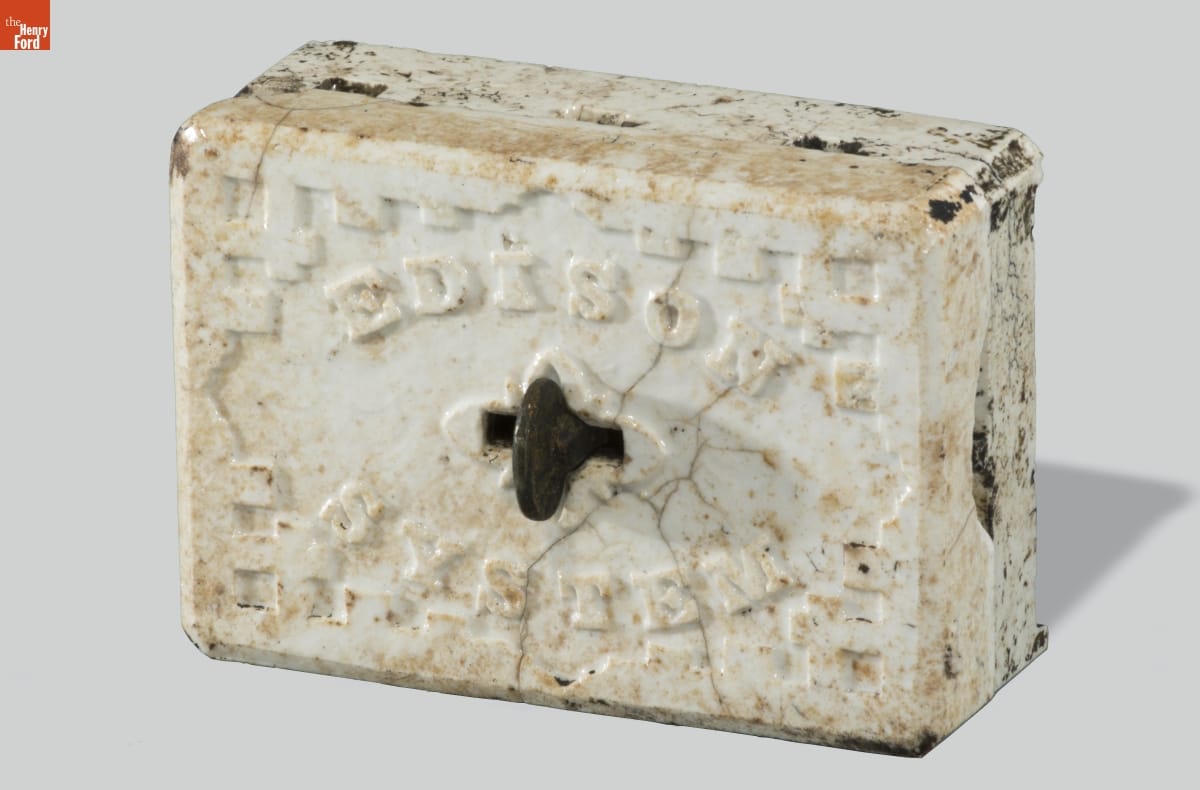
- Plug -
- Collections - Artifact
Plug
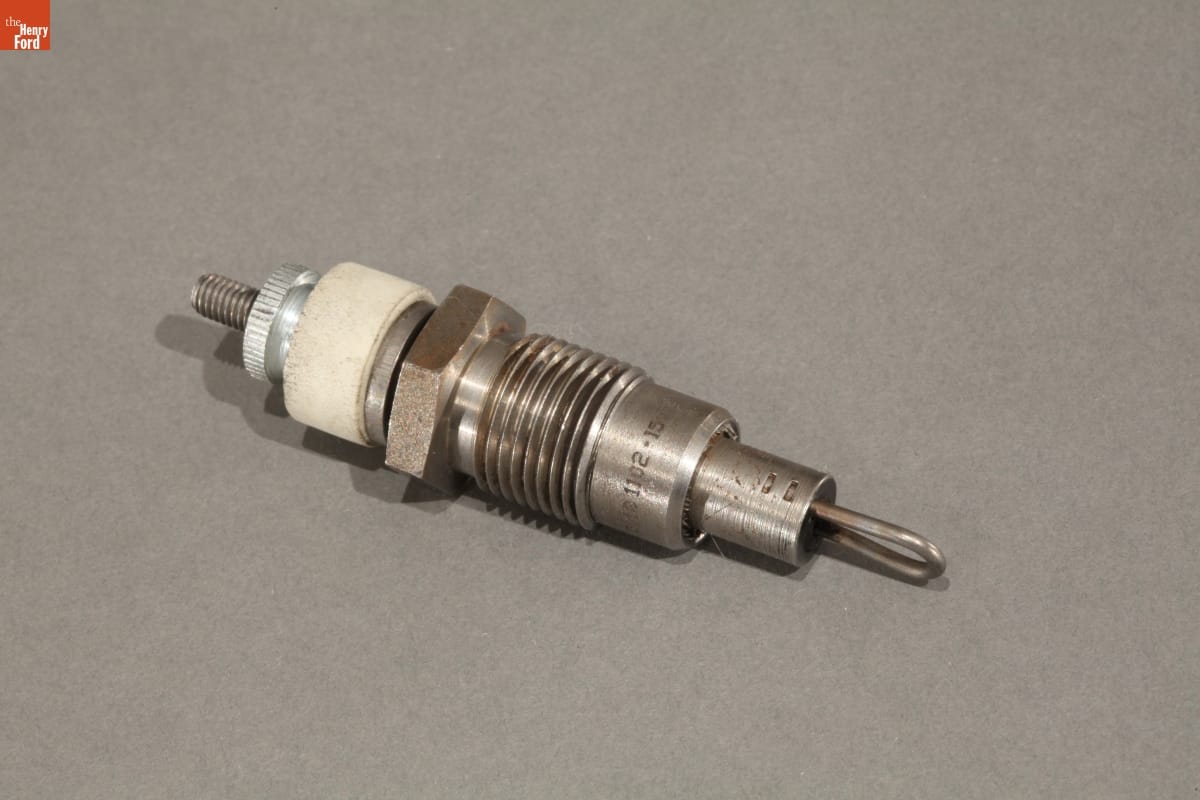
- Glow Plug, 1975-1985 - Diesel engines use highly compressed hot air to ignite fuel. In cold weather, this compression process may not heat the air sufficiently to ignite the fuel and start the engine. A glow plug helps raise the combustion chamber's air temperature. The glow plug seen here is from a 1980s Mercedes.
- 1975-1985
- Collections - Artifact
Glow Plug, 1975-1985
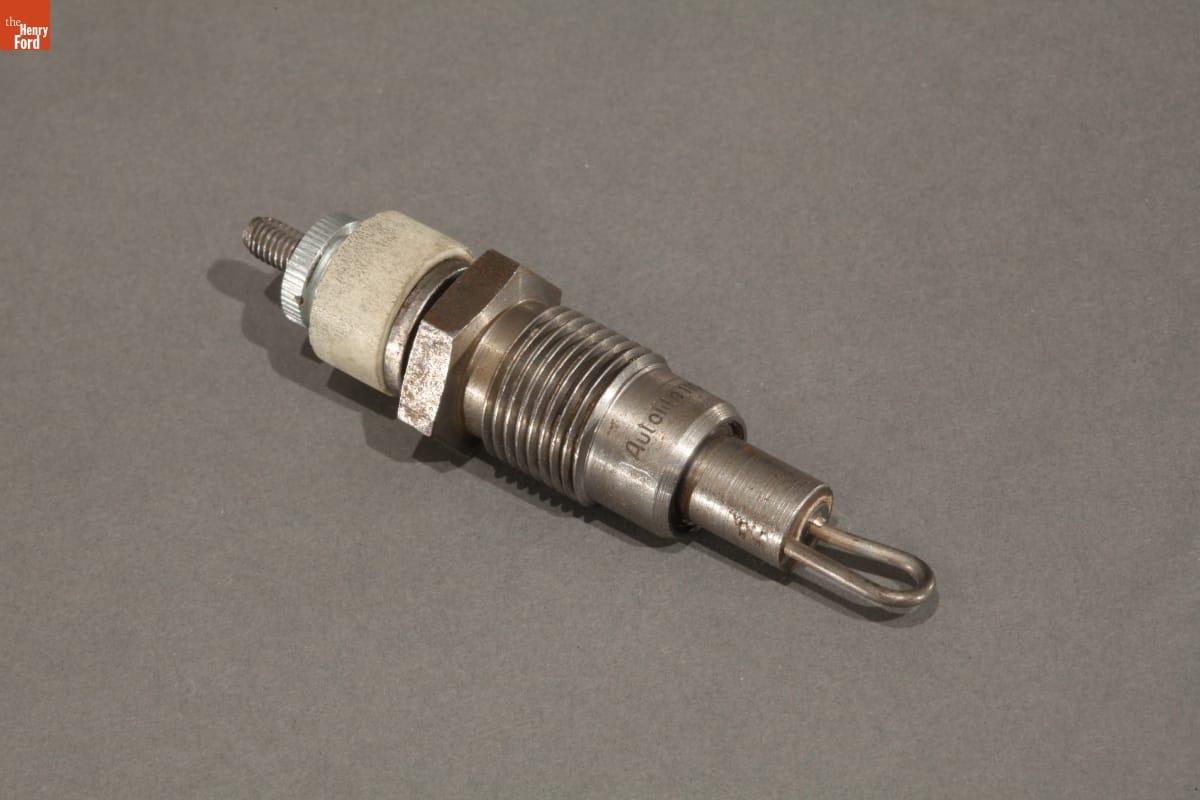
Diesel engines use highly compressed hot air to ignite fuel. In cold weather, this compression process may not heat the air sufficiently to ignite the fuel and start the engine. A glow plug helps raise the combustion chamber's air temperature. The glow plug seen here is from a 1980s Mercedes.
- Glow Plug, 1975-1985 - Diesel engines use highly compressed hot air to ignite fuel. In cold weather, this compression process may not heat the air sufficiently to ignite the fuel and start the engine. A glow plug helps raise the combustion chamber's air temperature. The glow plug seen here is from a 1980s Mercedes.
- 1975-1985
- Collections - Artifact
Glow Plug, 1975-1985
Diesel engines use highly compressed hot air to ignite fuel. In cold weather, this compression process may not heat the air sufficiently to ignite the fuel and start the engine. A glow plug helps raise the combustion chamber's air temperature. The glow plug seen here is from a 1980s Mercedes.
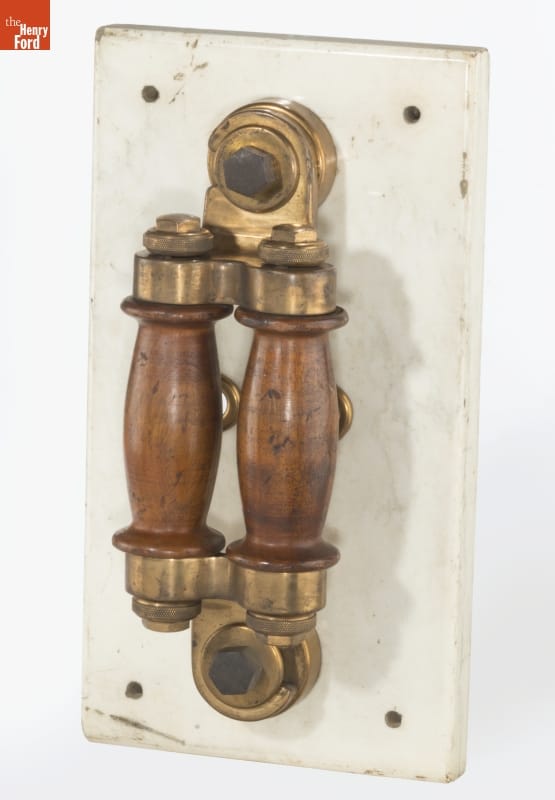
- Fort Wayne Expulsion Fuse Plug, 1900 -
- 1900
- Collections - Artifact
Fort Wayne Expulsion Fuse Plug, 1900
- Attachment Plug and Connectors, 1898-1929 -
- 1898-1929
- Collections - Artifact
Attachment Plug and Connectors, 1898-1929
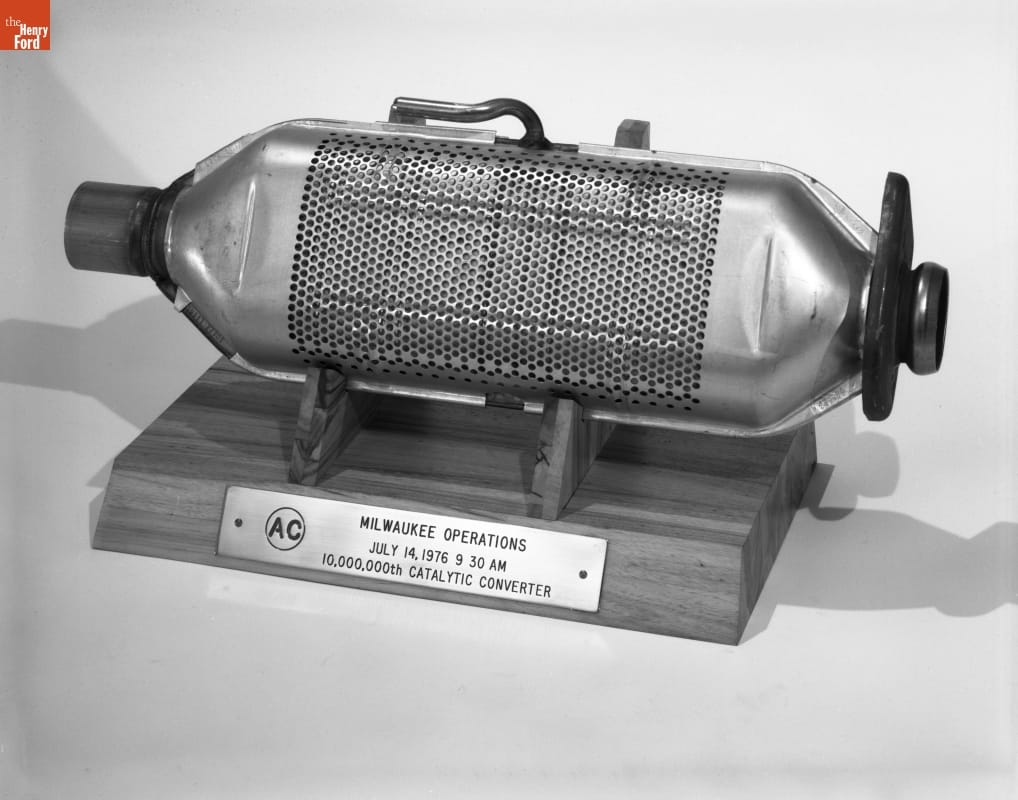
- 10 Millionth Catalytic Converter Built by AC Spark Plug Division of General Motors, 1976 - Fighting air pollution required changes in car design and gasoline. General Motors developed the first practical catalytic converter, which turned automobile exhaust into less-harmful gases, in response to the Clean Air Act of 1970. Beginning in 1975, federal regulations required catalytic converters and phasing-out of leaded gasoline, which interfered with the converters' operation.
- July 14, 1976
- Collections - Artifact
10 Millionth Catalytic Converter Built by AC Spark Plug Division of General Motors, 1976
Fighting air pollution required changes in car design and gasoline. General Motors developed the first practical catalytic converter, which turned automobile exhaust into less-harmful gases, in response to the Clean Air Act of 1970. Beginning in 1975, federal regulations required catalytic converters and phasing-out of leaded gasoline, which interfered with the converters' operation.